 SCIENCE. NATURE. BALANCE.
Rodents and disease: understand the exposure
A concise workplace brief on environmental exposure, leptospirosis and hantaviruses.

Some rodents carry pathogens. A sighting does not diagnose disease or establish the local level of risk.
Exposure routes
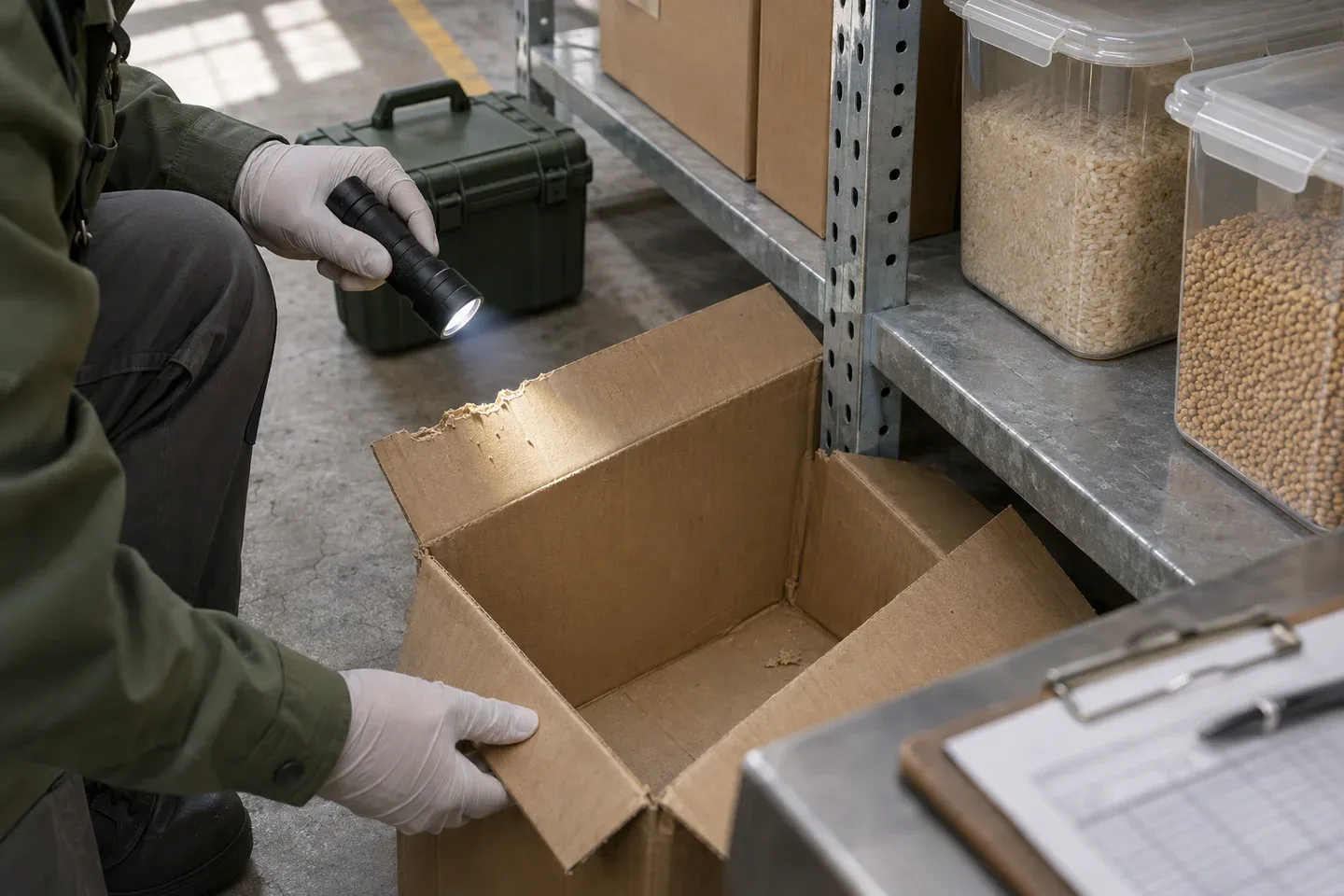
Contact with urine, droppings or saliva and contaminated food or surroundings can create exposure. Healthy appearance does not rule out carriage.
Section sources: [1]
Leptospirosis at work
Infected animal urine can contaminate water or soil. Dairy, sewage and sanitation work may involve exposure. Rodents are not the only animal reservoir.
Section sources: [2]
Hantaviruses in context
Virus, host species and geography matter. US carrier patterns and case figures should not be extrapolated to Iran.
Section sources: [3]
Seek individual advice
If fever or respiratory symptoms follow a possible exposure, contact a clinician and describe the exposure. This educational brief is not a diagnosis or treatment plan.
Traceable sources
- 1Controlling Wild Rodent InfestationsCDC · 2024-04-08Accessed: 4 November 2026
- 2About LeptospirosisCDC · 2026-02-10Accessed: 4 November 2026
- 3About HantavirusCDC · 2024-05-13Accessed: 4 November 2026
This AI-assisted brief synthesizes the linked sources. It is not original Shockboom research or evidence of product efficacy. A specialist reviewer is named only after an actual review.
Submit a correction or suggestion