 SCIENCE. NATURE. BALANCE.
Rodent-proofing: where to inspect a building
From pipe openings to food and waste storage: key inspection points and a practical approach to following up repairs.
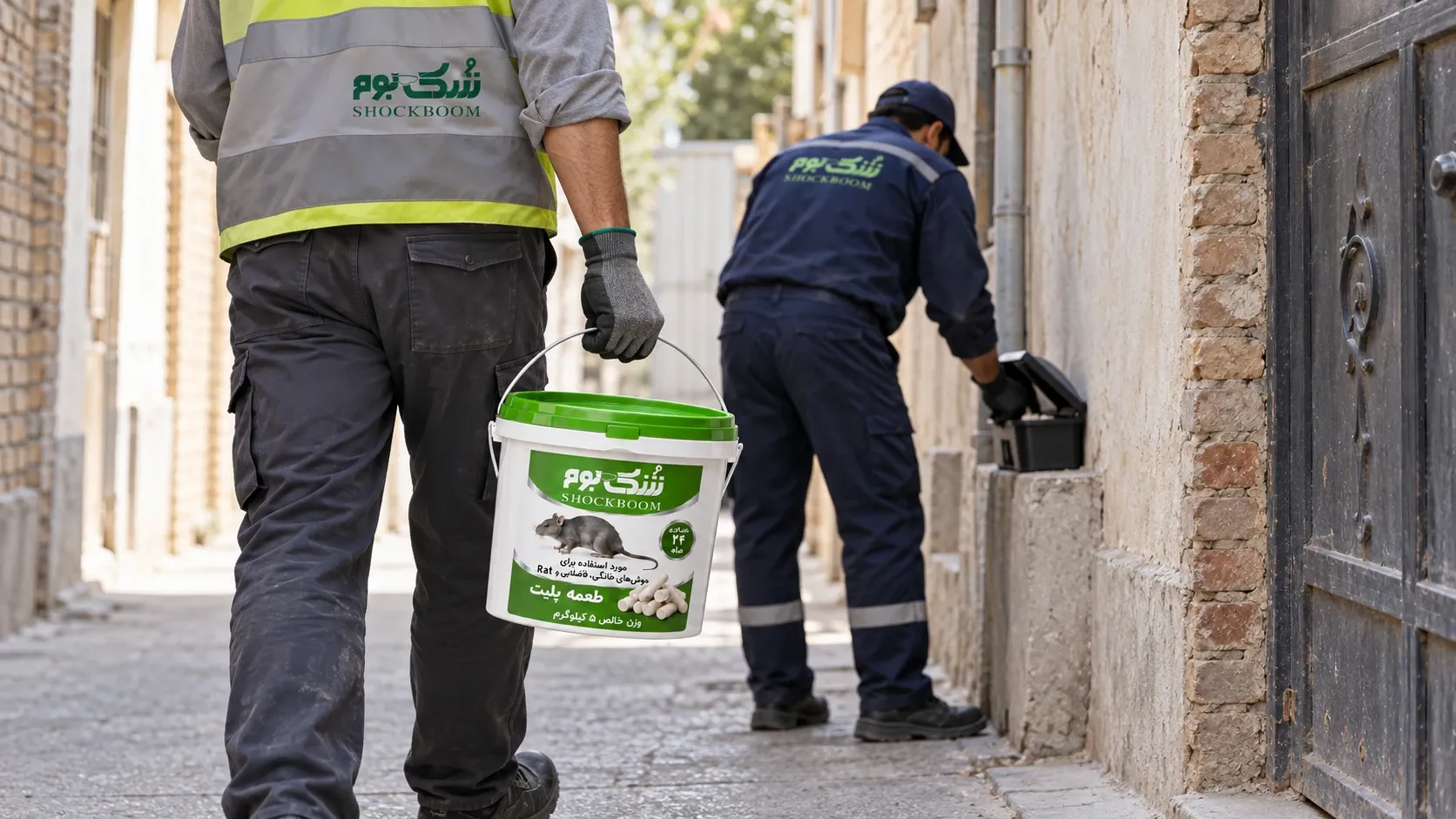
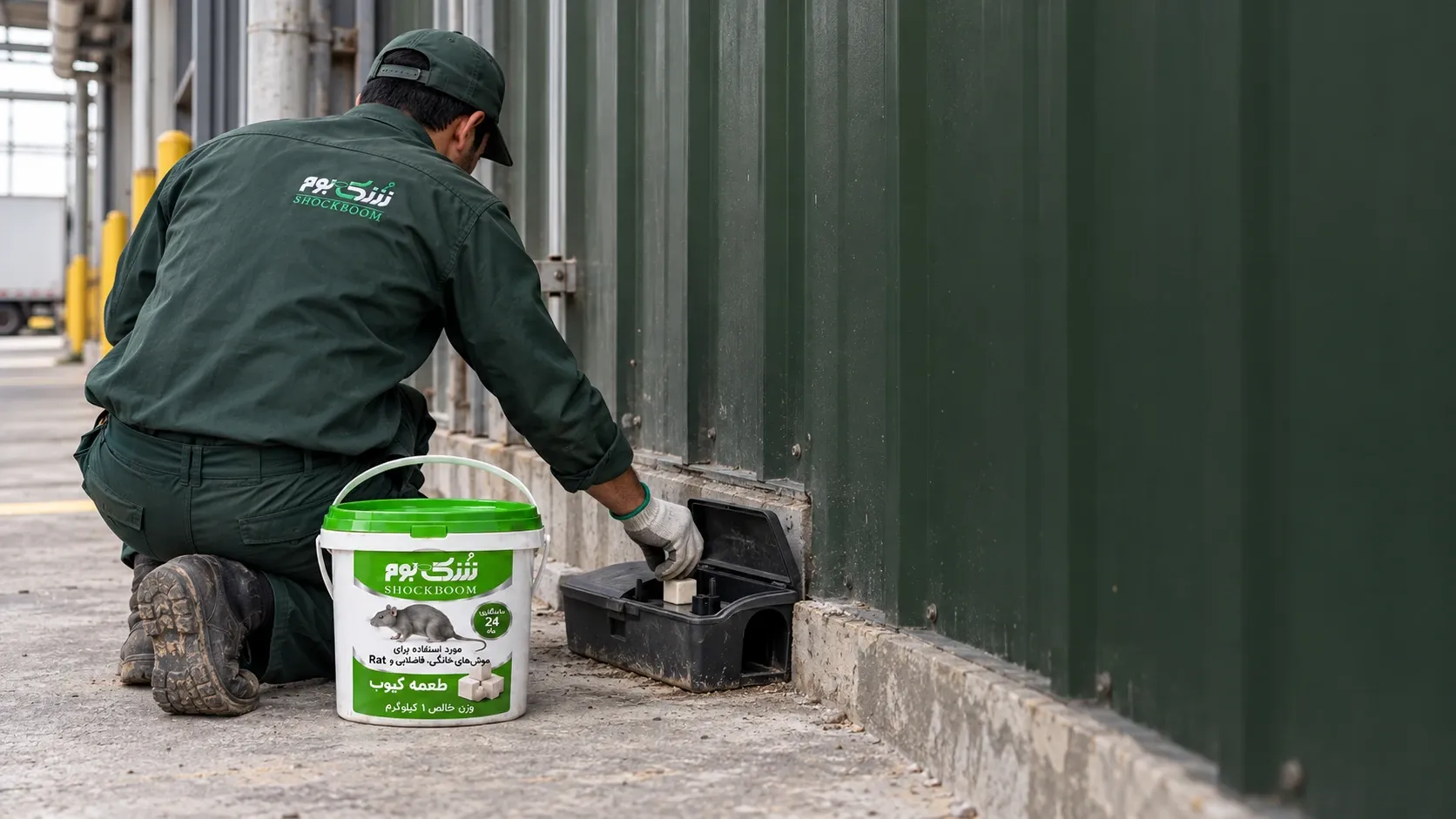
Rodent prevention belongs in routine building maintenance. Small openings, poorly fitting doors and accessible food can undermine other measures. Regular inspection helps reveal these conditions before the problem grows.
- Inspect gaps and service penetrations.
- Manage food and waste access daily.
- Complete repairs with a follow-up check.
Inspect the small details
CDC notes that mice can pass through an opening about six millimetres across. Pipes, doors, windows and vents deserve attention. That figure explains why small openings matter; it is not a guarantee that one quick measurement establishes a building's protection.
Section sources: [1]
Reduce access to resources
EPA emphasizes limiting food, water and shelter. Damaged food packaging, nesting material and newly gnawed openings provide useful inspection clues. Properly covered waste containers and removal of food debris belong in daily routines, rather than only in the response to a sighting.
Section sources: [2]
Include the surrounding site
New York City health guidance links structural repair with the removal of conditions that attract rodents. Consider the building boundary as a whole: stored items, waste areas and shared routes may require coordination with neighbouring units or property managers.
Section sources: [3]
Make repairs traceable
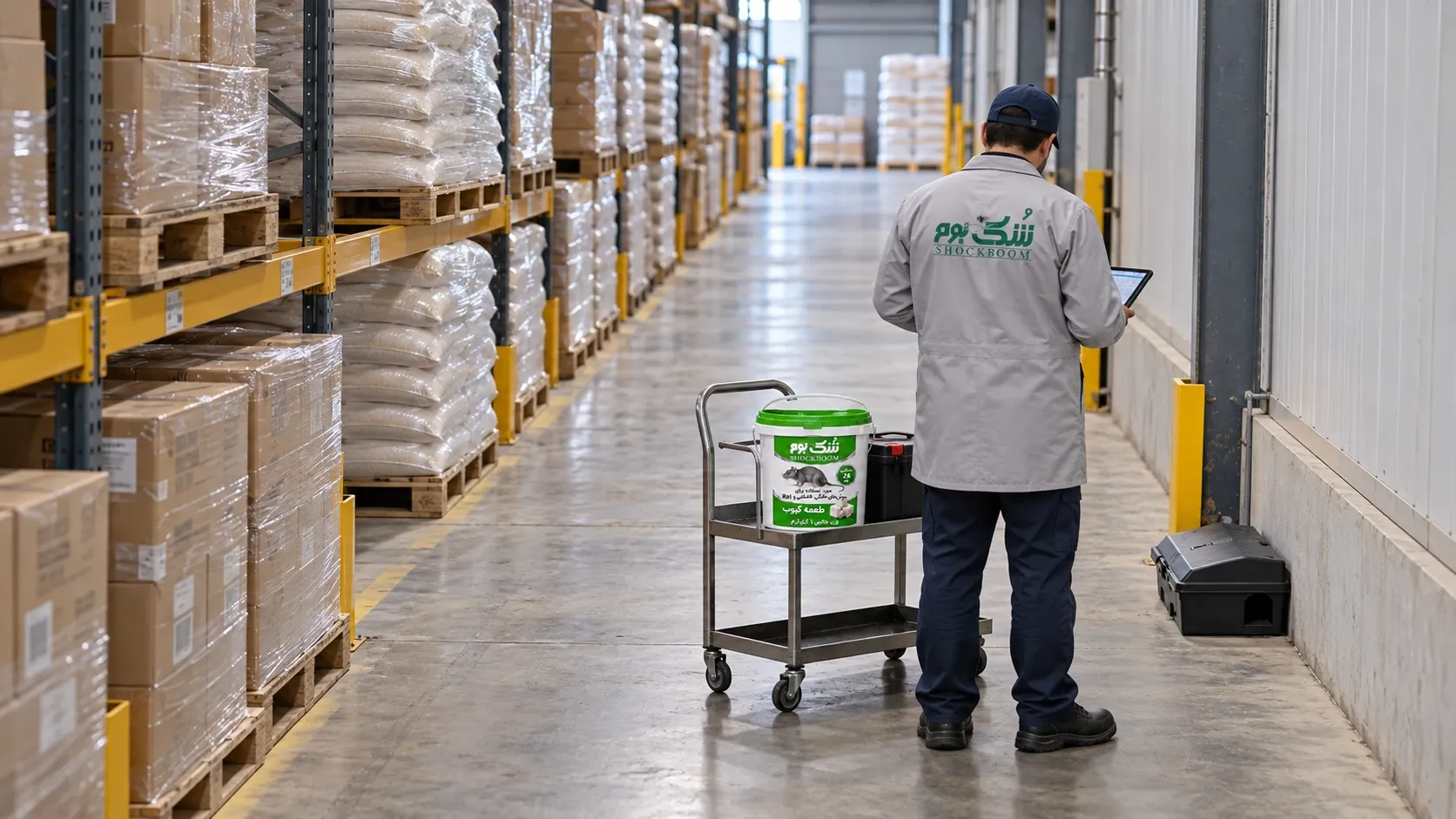
NYC's inspection checklist connects each area and defect to follow-up action. Our suggested warehouse adaptation records the location, photograph, repair owner and next inspection date together. This turns a finding into an accountable task. Materials and repairs must suit the building's technical requirements.
Section sources: [4]
Traceable sources
- 1How to Seal Up to Prevent RodentsUS Centers for Disease Control and Prevention · 2024-04-08Accessed: 29 October 2026
- 2Identify and Prevent Rodent InfestationsUS Environmental Protection Agency · 2026-06-10Accessed: 29 October 2026
- 3Rats: Information for Tenants and Property OwnersNew York City Department of Health and Mental HygieneAccessed: 29 October 2026
- 4Inspection and Follow-Up Action Checklist for Detecting and Preventing RatsNew York City Department of Health and Mental HygieneAccessed: 29 October 2026
This AI-assisted brief synthesizes the linked sources. It is not original Shockboom research or evidence of product efficacy. A specialist reviewer is named only after an actual review.
Submit a correction or suggestion