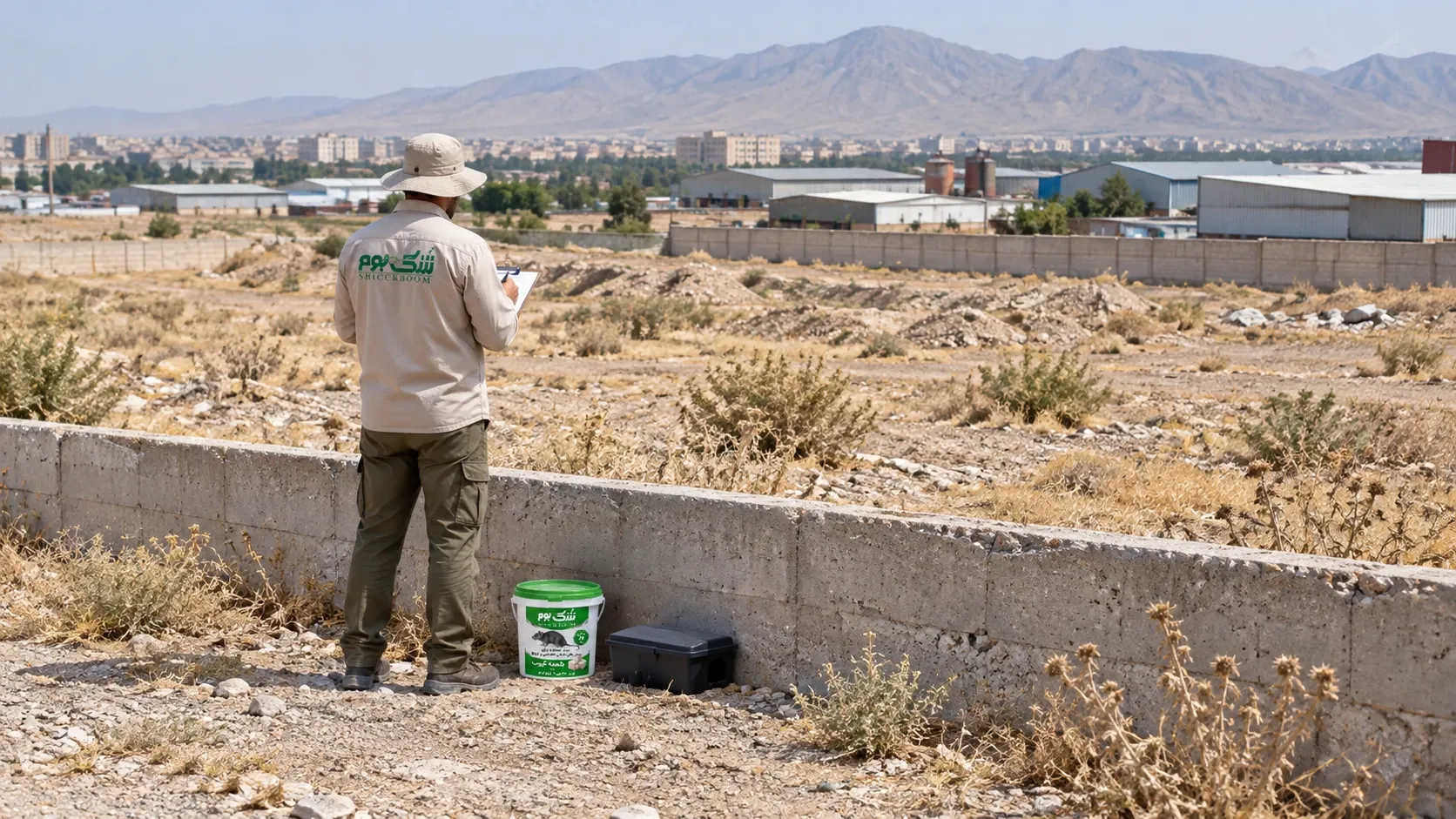
 SCIENCE. NATURE. BALANCE.
Integrated rodent management: identify, prevent, monitor
Identification, prevention, targeted action and evaluation: a concise introduction to integrated rodent management.
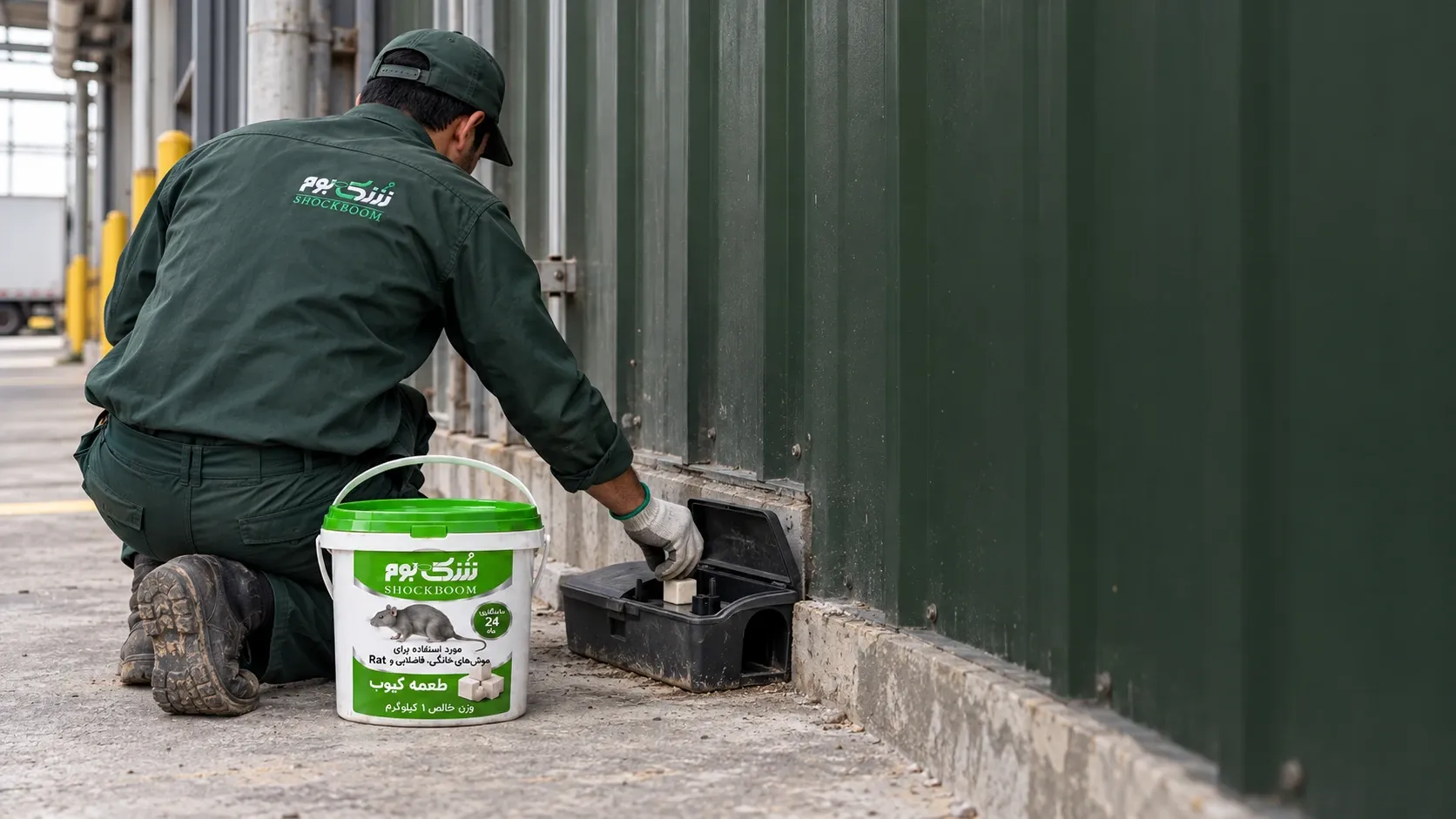
A rodent management plan begins with a clear problem definition: which animal is present, how it gains access and which resources sustain it. Integrated pest management, or IPM, connects that understanding to decisions that can be evaluated.
- Identify before selecting an intervention.
- Combine prevention with targeted action.
- Use recorded evidence to assess progress.
Define the decision
EPA describes IPM as an ongoing decision process. Identification, monitoring and action criteria help avoid unnecessary or poorly targeted interventions. Criteria should reflect the sensitivity and risks of the setting; one numerical trigger does not fit every site.
Section sources: [1]
Address supporting conditions
CDC emphasizes both pest ecology and human activities. Food access, hidden shelter and maintenance problems can sustain an infestation. Staff and occupants therefore have a role in housekeeping and reporting, alongside technical site management.
Section sources: [2]
Match methods to the problem
Oregon State University's NPIC advises understanding pest biology, travel routes and available options before acting. Exclusion and removal of resources belong in the same plan as control tools. A method's name alone does not establish suitability; use conditions and exposure also matter.
Section sources: [3]
Evaluate what changed
CDC includes regular evaluation as a core component of IPM. After an intervention, revisit both fresh activity and unresolved access points. Our suggested working format is to assign each action an owner, a date and a review date. This is an editorial workflow suggestion, not a substitute for a site assessment.
Section sources: [2]
Traceable sources
- 1Integrated Pest Management (IPM) PrinciplesUS Environmental Protection AgencyAccessed: 29 October 2026
- 2What Is Integrated Pest Management?US Centers for Disease Control and Prevention · 2026-08-26Accessed: 29 October 2026
- 3Integrated Pest Management (IPM)National Pesticide Information Center, Oregon State University · 2025-08-19Accessed: 29 October 2026
This AI-assisted brief synthesizes the linked sources. It is not original Shockboom research or evidence of product efficacy. A specialist reviewer is named only after an actual review.
Submit a correction or suggestion