 SCIENCE. NATURE. BALANCE.
Rodent monitoring: what should you record?
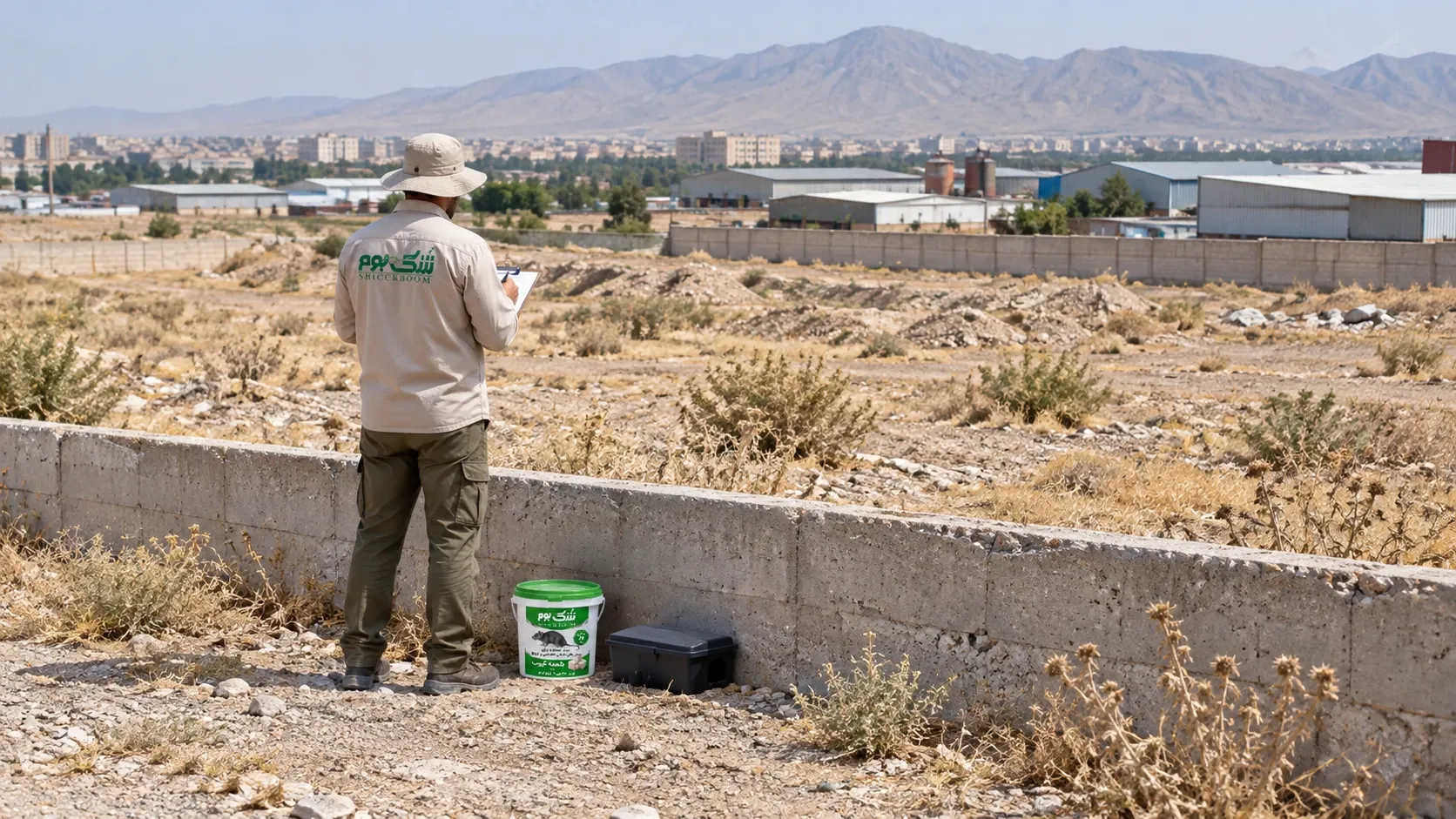
Recording where, when and what you observe helps compare inspections. Turn individual observations into a useful record.

A rodent sighting matters, but it does not reveal a population's size or prove a management programme's success. Monitoring creates a record against which changes can be assessed.
- Record the sign, time and location together.
- Reports are not a direct rodent census.
- Interpret trends alongside site conditions.
Observe more than the animal
NYC Health considers fresh signs such as tracks, gnawing, active burrows and live rats. Inspection therefore involves more than looking for an animal. Dates matter too: an older report does not necessarily describe the property's present condition.
Section sources: [1]
Keep a consistent record
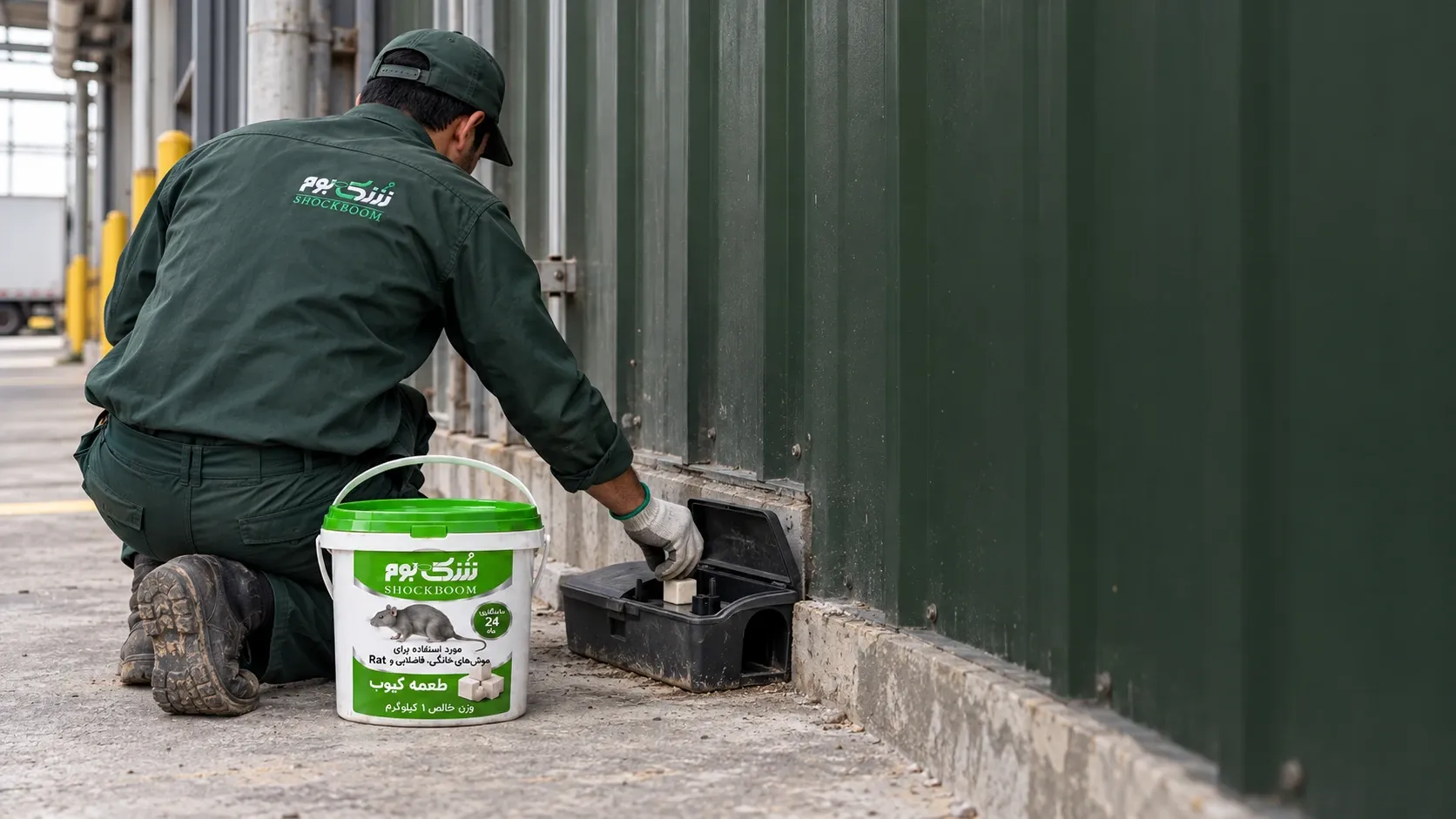
Cornell treats record keeping as part of evaluating management. Its inspection guidance includes low, elevated and hidden areas. Our suggested format records the same location, date, sign and completed action each time, helping separate a real change from a change in reporting style.
Section sources: [2]
Read research at the right scale
A 2025 Science Advances study analysed rat-reporting trends across 16 cities and found associations with warming and urbanization. Most observations came from municipal reports, not direct censuses. The study supports long-term surveillance, but does not estimate rats in a particular warehouse or an unstudied city.
Section sources: [3]
Connect data to follow-up
NYC's programme report connects routine monitoring with changes to food access and building defects. Our suggested adaptation is to review both fresh evidence and completed repairs on the next visit. One fewer sign cannot by itself establish that the problem has ended; the record must be interpreted in context.
Section sources: [4]
Traceable sources
- 1Rat Inspections: Terms and PracticesNew York City Department of Health and Mental HygieneAccessed: 29 October 2026
- 2Managing Mice and RatsCornell Integrated Pest ManagementAccessed: 29 October 2026
- 3Increasing rat numbers in cities are linked to climate warming, urbanization, and human populationScience Advances · 2025-01-31Accessed: 29 October 2026
- 4Rat Mitigation Zones: Semiannual Report, January–June 2023New York City Department of Health and Mental Hygiene · 2023Accessed: 29 October 2026
This AI-assisted brief synthesizes the linked sources. It is not original Shockboom research or evidence of product efficacy. A specialist reviewer is named only after an actual review.
Submit a correction or suggestion