 SCIENCE. NATURE. BALANCE.
Rodenticides and wildlife: why exposure matters
Some control methods can expose non-target animals to risk. A concise look at exposure pathways and the role of prevention.
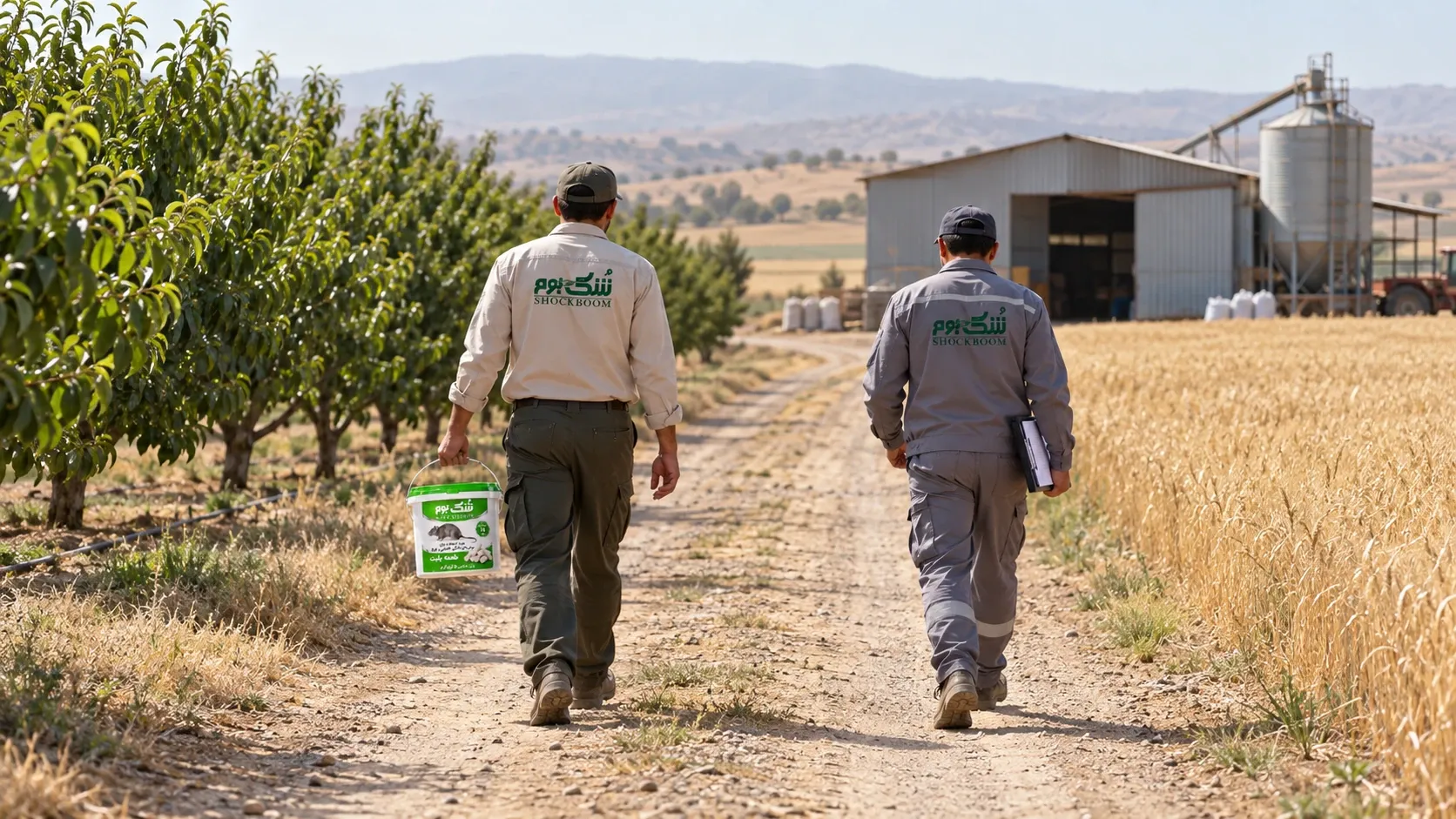
The effects of a control method may extend beyond its target animal. Decisions should consider both the infestation and possible exposure routes for non-target wildlife.
- Exposure can occur through contaminated prey.
- A residue finding does not establish cause of death.
- Product safety claims need product-specific evidence.
Understand secondary exposure
EPA explains that some anticoagulants persist in animal tissues. A predator or scavenger may then be exposed by consuming a contaminated rodent. Assessing potential effects therefore involves more than the location where a substance is placed.
Section sources: [1]
Avoid category shortcuts
NPIC distinguishes rodenticide groups and their characteristics. A term such as non-anticoagulant does not itself mean harmless. Responsible assessment considers the active ingredient, exposure pathway, use conditions and reliable product information separately; a marketing label cannot replace that evidence.
Section sources: [2]
Read a significant study precisely
Elliott and colleagues' 2022 study examined 741 raptors found dead or admitted to rehabilitation in British Columbia. At least one second-generation anticoagulant residue was detected in 74% of the sampled birds. This percentage describes a selected sample, not all wild birds or the proportion killed by poisoning.
Section sources: [3]
Separate evidence from a claim
A preliminary Utah study also documented anticoagulant exposure in American kestrels and called for further research. Our editorial conclusion is to keep exposure, demonstrated harm and the safety of a proposed alternative distinct. Evidence for one does not automatically establish the others.
Section sources: [4]
Traceable sources
- 1Rodent Control Pesticide Safety ReviewUS Environmental Protection AgencyAccessed: 29 October 2026
- 2Rodenticides Fact SheetNational Pesticide Information Center, Oregon State UniversityAccessed: 29 October 2026
- 3Anticoagulant Rodenticide Contamination of Terrestrial Birds of Prey from Western Canada: Patterns and Trends, 1988–2018Environmental Toxicology and Chemistry · 2022-06-09Accessed: 29 October 2026
- 4Preliminary evidence of anticoagulant rodenticide exposure in American kestrels (Falco sparverius) in the western United StatesJournal of Raptor Research / US Geological Survey · 2022-11-28Accessed: 29 October 2026
This AI-assisted brief synthesizes the linked sources. It is not original Shockboom research or evidence of product efficacy. A specialist reviewer is named only after an actual review.
Submit a correction or suggestion